Aluminum Foundry What to Know: Experienced Casting Manufacturing
Aluminum Foundry Basics: What You Need to Know
Comprehending the essentials of aluminum foundry operations is essential for any individual engaged in manufacturing. This encompasses comprehending the nuances of the casting process, identifying the different mold types, and complying with safety protocols. Each aspect plays a vital role in ensuring quality and efficiency. As industries continually rely on aluminum castings, becoming acquainted with these basics can result in substantial advantages. What specific elements make up the aluminum casting process?
The Step-by-Step Aluminum Casting Process
The aluminum casting procedure generally includes various important steps that change raw aluminum into finished components. To begin, the process requires melting the aluminum, which is typically performed in a furnace. The molten aluminum is then transferred into molds made to fashion the final product. These molds can be created from various materials, including sand or metal, based on the manufacturing needs.
Once the aluminum has reached a solid state assessment and hardened within the mold, the subsequent phase is to take out the casting. This is frequently achieved by breaking the mold or employing mechanical means. Upon removal, the casting undergoes various finishing operations, which may involve trimming excess material, grinding, and polishing to obtain the required surface quality.
Ultimately, quality control assessments are carried out to ensure the components meet specified standards. This step is critical in confirming that the final products are adequate for their intended applications in various industries.
Attributes of Aluminum
Aluminum exhibits a special combination of properties that make it a highly sought-after material in numerous industries. Its low weight characteristic, with a density approximately one-third that of steel, enables ease of handling and supports fuel efficiency in transportation applications. Furthermore, aluminum demonstrates excellent corrosion resistance resulting from the formation of a protective oxide layer, prolonging its lifespan in multiple environments.
This material is also recognized for its impressive strength-to-weight ratio, enabling the creation of durable yet lightweight structures. Furthermore, aluminum is very malleable and ductile, which makes it ideal for multiple manufacturing processes, including casting, extrusion, and machining.
Additional noteworthy features include thermal and electrical conductivity, promoting its use in heat exchangers and electrical components. Finally, aluminum is entirely recyclable without losing quality, supporting sustainable practices and lowering environmental impact in industries that utilize it.
Kinds of Molds in Aluminum Foundries
In aluminum foundries, various types of molds are employed to achieve different casting techniques and product specifications. Sand molds represent the most common type, permitting intricate patterns and are generally utilized for one-time or limited production runs. Metal permanent molds are employed for large-scale production and deliver superior dimensional precision and surface quality. Ceramic-coated wax pattern molds used in investment casting are excellent for complex forms with delicate features. Additionally, shell molds, which consist of a thin shell of sand and resin, offer excellent surface finish and are suitable for medium production runs. Each mold type has its unique advantages and is selected based on factors such as production volume, complexity of the part, and desired finish. Familiarity with these mold varieties is critical for achieving excellent results in aluminum casting applications.
Essential Gear for Aluminum Casting Excellence
Successful aluminum foundries demand specific equipment to provide efficient operations. Key components include melting furnaces for material processing, molds and patterns for shaping, and essential safety gear to protect workers. Understanding and investing in these critical items is essential for achieving superior results in aluminum casting.
Melting Furnace Essentials
When creating a successful aluminum foundry, choosing the right melting furnace is critical, as it directly determines the quality of the final product. Important factors include furnace type, capacity, and energy efficiency. Common types of melting furnaces include crucible, induction, and reverberatory, each delivering distinct advantages for different production scales. The furnace capacity must match the foundry's production demands to assure timely processing. Moreover, energy efficiency is vital for lowering operational costs. Adequate temperature control is crucial for achieving consistent melt quality and avoiding contamination. Purchasing reliable refractory materials boosts furnace durability and thermal efficiency. In the end, the right melting furnace adds markedly to the foundry's overall performance and product integrity.
Patterns and Molds
Molds and patterns serve as the cornerstone of aluminum foundry operations, directly affecting the accuracy and quality of castings. These tools are crucial for forming the desired shapes and dimensions of the final product. Patterns, commonly made from metal, wood, or plastic, are used to create molds that retain the molten aluminum until it solidifies. The decision of material determines the mold's durability and heat resistance. Furthermore, the design of molds must consider factors like shrinkage and ease of removal, guaranteeing high-quality outputs. Foundries frequently utilize various mold types, such as sand molds and permanent molds, depending on production requirements. Understanding the complexities of molds and patterns is critical for achieving optimal casting results in aluminum foundry operations.
Mandatory Safety Equipment
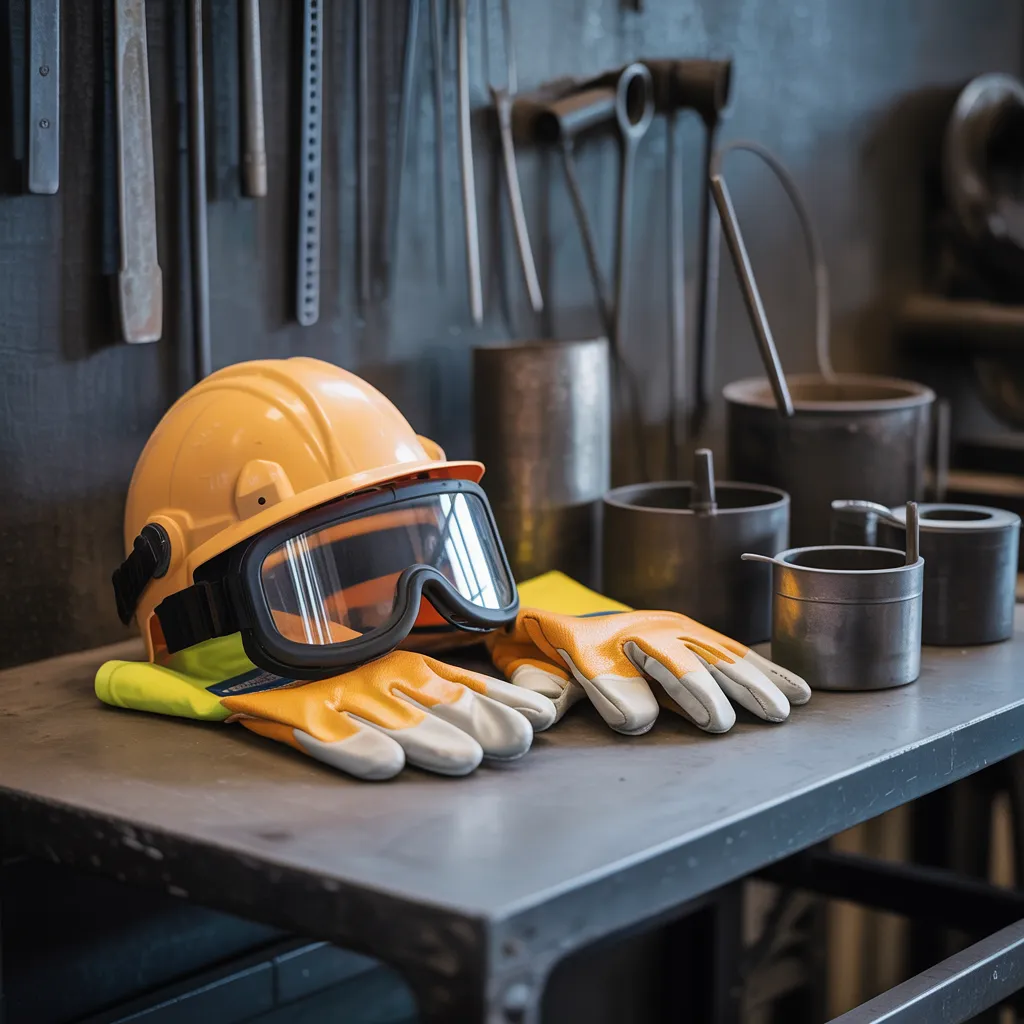
Within aluminum foundry settings, safety gear requirements are of utmost importance to protect workers from the significant dangers connected to molten metal and heavy machinery. Essential safety equipment includes thermal-protective gloves to avoid burn injuries, safety goggles to guard eyes from flying debris, and face shields to defend against splashes of molten metal. Workers need to wear flame-resistant attire and steel-toed boots to defend against heavy objects and heat exposure. Additionally, ear protection is essential due to the excessive sound levels produced by machinery. Appropriate respiratory gear may be needed to prevent breathing in harmful fumes. Adhering to these safety gear requirements not only ensures worker safety but also contributes to a more productive and efficient foundry operation.
Safety Procedures in Aluminum Casting
When it comes to aluminum casting, implementing safety practices is vital to safeguard workers from potential hazards. Key components include the use of personal protective equipment, ensuring adequate ventilation, and establishing emergency response procedures. These measures collectively contribute to a safer working environment in the foundry.
Personal Protection Equipment
A thorough understanding of personal protective equipment (PPE) is critical for guaranteeing safety in aluminum casting operations. Correct PPE includes thermal-protective gloves, face shields, and safety goggles to defend against molten metal splashes and heat exposure. Workers should also wear flame-resistant garments and steel-toed boots to lower injury risks from heavy equipment and hot materials. Respirators may be needed to protect against harmful dust and fumes emitted during the casting process. Additionally, hearing protection is encouraged due to high noise levels in foundry environments. Routine inspection and maintenance of PPE are critical to confirm effectiveness. By observing these safety practices, workers can significantly reduce the risk of accidents and injuries, encouraging a safer workplace for all involved in aluminum casting.
Air Flow Requirements
Effective ventilation is a key factor in guaranteeing safety within aluminum casting operations. Proper airflow decreases the accumulation of harmful fumes and dust created during the melting and pouring processes. It is vital to design ventilation systems that effectively exchange indoor air with fresh outdoor air, sustaining safe breathable conditions. Local exhaust ventilation systems should be installed near sources of pollutants to capture them at the source. Additionally, air monitoring systems can help evaluate air quality, maintaining compliance with occupational health standards. Regular maintenance and inspection of ventilation equipment are essential to guarantee maximum performance. By emphasizing proper ventilation, foundries can significantly reduce the risks linked with air contaminants, promoting a safer working environment for all employees involved in aluminum casting.
Crisis Response Procedures
Preparedness is essential in aluminum casting operations, where the potential for accidents requires well-defined emergency response procedures. Creating a clear plan is vital for ensuring the safety of employees and minimizing damage. Key elements of these procedures include locating emergency exits, keeping accessible first aid kits, and conducting regular safety drills. Employees must be trained to spot potential hazards, such as molten metal spills and equipment malfunctions, and know how to react appropriately. Communication protocols should be set up, allowing for rapid reporting of incidents. Furthermore, designated personnel should be assigned to lead emergency responses, ensuring a coordinated effort. Regular reviews and updates of these procedures are critical to adapt to any changes in operations or equipment. Safety is everyone's responsibility in the foundry environment.
Common Industries Employing Aluminum Castings
Aluminum castings play an essential role in multiple industrial fields, displaying their flexibility and robustness. The automotive field is a major consumer of aluminum castings, employing them for motor blocks, transmission enclosures, and wheels. Their lightweight characteristics leads to better fuel consumption and performance. The aerospace industry also profits from aluminum castings, where components are fabricated to endure extreme conditions while reducing weight. Moreover, the electronics sector employs aluminum castings for housings and heat sinks, ensuring efficient thermal management in devices. In construction, aluminum castings are utilized in window frames, railings, and support structures, delivering resilience and resistance to corrosion. Moreover, the consumer goods industry employs aluminum castings for numerous products, from cookware to furniture, highlighting their visual attractiveness and functional properties. All in all, the versatility of aluminum castings makes them indispensable in numerous industries, improving product performance and longevity.
Common Questions
What Are the Environmental Impacts of Aluminum Foundries?
Aluminum foundries lead to environmental impacts through waste generation, energy consumption, and greenhouse gas emissions. Additionally, they can discharge particulate matter and other pollutants, potentially affecting air quality and surrounding ecosystems if not adequately controlled.
What's the Process to Start My Own Aluminum Foundry?
To start an aluminum foundry, one must conduct market research, acquire financing, secure essential permits, select right machinery, and build a skilled workforce, ensuring compliance with environmental regulations and safety standards within the process.
What Are the Common Defects Found in Aluminum Castings?
Typical defects in aluminum castings include porosity, shrinkage defects, incomplete fills, cold shuts, and surface irregularities. These defects commonly result from unsuitable melting temperatures, insufficient mold design, or limited metal flow, compromising the end product's quality and strength.
How Are Foundries Integrating Aluminum Recycling Operations?
Aluminum recycling is integrated into foundries through the collection and processing of scrap aluminum, which is melted and reused in production. This method cuts material costs, preserves energy, and reduces environmental impact, fostering sustainability in manufacturing.
Which Certifications Are Needed for Those Working in Aluminum Foundries?
Aluminum foundry personnel typically need certifications in metallurgical processes, safety standards, and equipment handling. Industry-recognized certifications, such as those from the American Foundry Society, ensure alignment with standards and increase efficiency and safety in foundry operations.